неділя, 5 травня 2019 р.

Dance Songs for Kids

Get Yo Body Movin’

Get everyone up and grooving with this irresistible action and dance song! Most kids will already be familiar with the guys of Koo Koo Kanga Roo, so they’ll be much quicker to engage and participate. See it here on Amazon.

Freeze Dance

These next two songs are both variations on a freeze dance for kids. Try them both and see which resonates better with your children – or they might love both! The first one has fun animations, but some kids might be more drawn to dance along with the real people of the second song. You may want to preview the videos and set some expectations before trying so that things like skipping don’t get too wild.
This first version is by the Kiboomers, and you can see all of their Freeze Dance songs on Amazon.

Move and Freeze

Our friends at the Learning Station have so many awesome brain break songs and even an entire Brain Breaks Action CD.

Head, Shoulders, Knees, and Toes

If you’re looking for the classic action song, look no further! This version is extra fun because it speeds up as the song goes on. Varying tempos in a song is a great way to keep the listener’s attention! The animations are super cute, too. See it on Amazon.

Hokey Pokey

Another timeless dance song for kids! Can’t go wrong with this one. I particularly like how they include a harmony line along with the familiar melody – being able to pick out or copy a harmony line is a great early musical skill! This song also speeds up as it goes along, which adds a lively twist and helps keep the kids engaged. This song can also be found on the All-Time Children’s Favorites album by The Learning Station.

Jump!

Patty Shukla calls this song “Musical PE,” and it’s a perfect description! Your kids will have a blast following the directions and moving along with her. It also includes a ton of musical goodness like key changes, varying tempos, and simple harmonies. Even though your kids may not recognize these things, they help keep the song fresh and entertaining. See it on Amazon.

 Driving in My Car

My kids weren’t with me when I first saw this song, and I bookmarked it immediately because I couldn’t WAIT to show it to them!! I knew they’d love the dramatic play of being a movie star, the fun actions, and the different speeds of the song. I promise your kids will be captivated the whole way through!

Shake Your Sillies Out

What a fun little song! There’s more than one song from The Learning Station on here, and it’s no coincidence – they are great at brain breaks and movement, action, and dance songs for kids! See our post of The Best Movement and Action Songs for Children to find their classic Tony Chestnut or see their entire Brain Breaks Action CD.

I am a Robot

A fun dance song for kids where they get to pretend to be robots. This one is great for following directions and for critical thinking while dancing – the directions repeat and add on top of each other, so the kids will have to pay close attention! The ending is also very clever. See it on Amazon.
Need more songs to use all throughout the day? We’ve got you covered!

субота, 4 травня 2019 р.

End of Year Activities

1. The Year In Review

Students reflect on the past year by making a newspaper called The Year In Review. Topics for articles can include interesting things that happened in the classroom or school. They highlight the highs and even the lows allowing them to relive all their favorite memories throughout the year.
They can include different sections such Top 10 lists, Spotlights, Testimonials, Editorial about the past year, or even an Entertainment section with crossword puzzles containing selected vocabularies they have learned from your class, etc.

2. Last Day of School Charades

Ask students to write down on a slip of paper their favorite or their most memorable moment that happened in the past school year. You can also add your own.
Collect all the papers in a bowl or a box and ask a volunteer to come up to choose a slip. Depending on the situation, the volunteer can decide if he needs to call on more students to act out the memory for the class. This is one of end of year activities where students can reminisce memories and have a good laugh so no need to keep scores.

3. Collect Autographs

There are two ways how you can have an autograph party for you students as a remembrance of the moments they had shared with each other:
Autograph Shirt
During the last day of school, my students wear/bring a plain white shirt and they use different colored permanent markers or pens to autograph on it. You can use old test papers or posters to put inside the fabric to make sure the markers don’t bleed through the other side.
Beach Ball Autograph
I alternate each year between t-shirts and beach ball. Beach ball is a fun and different way to collect autographs in class. Beach balls are relatively inexpensive especially if you order them wholesale from a novelty store not to mention if you happen to teach in Asia (I’m lucky, I know!).
Let students blow the beach balls up and then get autographs from each other by tossing the balls around! They will surely love this activity and cherish their memories.

4. Open the Class Time Capsule

I love to kick off the new school year by creating a class time capsule. The end of school year is exactly the time to unseal them and let my students discover which predictions and goals they had made actually came true!
It is amazing how things change in less than a year especially with their height, weight or even penmanship. It is always a delight for me to see their varied reactions.
If you want to make a class time capsule for the coming year, you may check out this post.

5. A Pat on the Back

Ask students to help tape an A4 paper on one another’s back. Put on some great music (oh I love to play melodramatic ones for this activity!) and let the students mingle and walk around the room.
The goal is to have them write a positive comment or a compliment on each other’s back. For example: Thank you for being… I remember when… The best thing about you is… It is important to emphasize to the kids not to write any negative remarks as to avoid hurting someone’s feelings.
When the time is over, they can remove the papers from their backs and enjoy reading what was written by their classmates.
This self-esteem booster is by far one of my favorite end of year activities to do to let students say goodbye to each other! Students just seem happier after this activity. Isn’t a nice way to end the school year?!

6. 5-4-3-2-1 Go!

I named this activity this way because I ask my students to write down the following on a piece of paper:
5 difficult vocabulary words they have learned in class and what they mean
4 things they love about the textbook
3 classroom activities or projects they enjoyed the most and why
2 things they want to say to their classmates
1 thing they want to tell their teacher
After a specified time, I call on some students to read before the class what they have written.

7. Tokens of Friendship

After spending an entire school year together, classmates become good friends if not best of friends.  One great way for students to make memorable gifts for their classmates is by making personalized friendship bracelets using cheap cords and alphabet beads. Another option is a simple breezy friendship bracelet made with two very simple knots which has also become a fad in my classroom.
Furthermore, you can ask your students to write a poem to be given to their friends or teachers. If you have more advanced students, you can let them compose a song instead. Songs can be very memorable and enjoyable for students, especially those with good singing voices who love to sing along!  They can record the songs or better yet perform in front of their peers, teachers or the entire school.

8. How to Survive Teacher Mel’s English Class


At the end of every year, I let my class write letters to next year’s incoming class about me and my classroom. We call it “How to Survive Teacher Mel’s English Class” which could either be serious or funny, but they should be informative. My advanced students work in groups and create a handbook containing helpful tips, information and advice for the incoming groups.
The following year, I have the new students read them on the first day of school and we talk about what the letters or the handbooks said about my class, and how that makes them feel. It is a great way to set classroom rules and expectations.

9. Write a Self-introduction for the New Teacher

My favorite part of the job is getting to know my students because I believe that understanding students is essential to teaching. During my first year of teaching, a colleague of mine was so kind to show me my students previous works including some information about them. Because of that, I wa
s able to know more about their interests and what motivated them to learn English.
Now, I try to do the same for the incoming teachers of my classes. At the end of the year, I have the students write letters introducing themselves to their next teachers. Even students at the beginning stages of learning English can share information about their families, hobbies, interests and experiences. This way,  their future teachers can start the new school year knowing a little something about them.

10. Conduct a Class Awarding Ceremony

Giving certificates and prizes should be done all year round, but the end of the year also calls for a special kind of awarding ceremony! I love to find something unique about my students and make up some fun awards for that unique quality. You can be creative and add silly awards to add laughter.
You can make the awards on your computer so that each one is personalized and a bit different from the others. There are also many free certificate generators online that you can use such as Certificate4Teachers, Certificate Magic, and many more!
To get students more involved, you can let them come up with their own categories and vote for one student for each category. Announce the winner at the last day!

11. Gather Feedback from Students

I gather feedback from my students twice: once right after the first semester ends and another at the end of the school year. I use simple survey form that gives them the opportunity to offer feedback on my teaching. Sometimes it is hard to face the honest truth but I try to be objective and use student responses to reflect on my teaching style and practices .
Survey Monkey and Google Form allow you to create surveys an collect information for free! Or you can simply write the questions on the board and have them write their answers on a piece of paper.

12. End of the Year Raffle

Students help me clear out the classroom to prepare it for the next year by taking down posters and packing things up. To make it more exciting, I tell them that we will have a raffle if they finish the task quickly. I raffle off the things in my classroom that can serve as souvenir items to remind them of our class such as the cards we received from different schools abroad on Christmas!

13. Pop a Balloon Countdown 


If you are like me who still has more two weeks of teaching time even after the final test, you can introduce these end of year activities in a more exciting way using pop-a-balloon countdown!
Write each of your chosen end-of-year activities on a strip of paper, roll them up and slip each rolled paper into a balloon before you blow it up. Hang the balloons from the board or from strings attached to the ceiling. Every time your students come to your class, you can ask them to vote on which balloon to pop for that day and complete the surprise activity hidden inside!


5 Powerful Teaching Strategies For Project-Based Learning

Have you ever been sitting at your table thinking about how to start planning for your first, second, or twenty-second project and thought to yourself, “where do I begin?”
From the novice to the seasoned planner, this is a common dilemma. Whether you are just starting out on your journey to a more constructivist approach to student learning or you are already invested in an authentic inquiry based pedagogy, our new series of books will be a support as you continue to deepen your own practice. We have started with the PreK-3 version of the book. However, the strategies are applied at any grade level and for any content area.
Designing authentic challenges with our district or school’s curriculum or our pacing guides requires us to have a flexible planning process. We simplified the process for developing the natural curiosity of kids as it helped us to plan for our students and for the teachers with whom we work and coach. Here’s a preview of the strategies. In the book, they are explored, in detail, with accompanying project examples.
Strategy One: Map Standards to the Project Challenge
How much is too much standards-based support when designing an authentic challenge? How many standards do I have to include in my design?
High quality authentic project design is about helping our students learn by experiencing real challenges and seeing their creative, relevant solutions come to life in the products they construct. If we want ownership and buy-in, even in the youngest of thinkers, we need the creativity to start at the onset of the project in the first or second day.
This allows us to scaffold the content from the very beginning of the project using their ideas, because our learners still need to have support and scaffolding through this process. Our role as teachers is to make sure these building blocks of learning and content are there for them when they need it. Strategy One is all about ensuring our learners use the standards as a way to exhibit their thinking from the lowest to the highest levels of thinking as they find their own answers to authentic challenges.
Strategy Two: Build a Classroom Community
What does my day look like? Does the project have to last the entire day? What will I have to eliminate in my curriculum? Do I have the time to do a project?
Authentic learning experiences permeate the day and the classroom, involving many different curricular areas and skills. These foster a young child’s love for learning and exploring. However, when you design authentic projects for your classroom, it does not mean your kids receive the challenge and then have free rein to do what they want or that you relinquish control.
Rather, you have command of the learning process. We mentor our learners through this process to ensure certain skills are mastered along the way. These supports might occur during whole group or small group instruction and throughout various times of the day. A good mentor creates a community ecosystem that allows for both independent work and teamwork. These components vary based upon grade level, but two core items run through every classroom community: routines and schedules. Strategy Two embraces the establishment of routines and schedules to build a classroom community.
Strategy Three: Make Reading & Writing Authentic
How does project work make my students better readers and writers? How do I do this if my students read and write at different levels?
We want our kids to love reading! We want them to be fluent enough to comprehend everything they read. Levels of literacy achievement set the stage for success or struggle throughout life. The connection between projects and literacy runs deep and one cannot occur without the other. Our text selections, our primary sources, classroom libraries, literature choices, and book bins spark solutions, ignite ideas, and generate growth-producing dialogue.
The greater the foundations for reading and writing, the more prepared our learners are for the world ahead. Real world challenges provide the purposeful and authentic reasons for kids to represent how they think and feel. Strategy Three, make reading and writing authentic, for our learners, builds their ability to explore, uncover, and solve challenges while, at the same time, developing their reading and writing ability.
Strategy Four: Maximize Formative Assessment
How do I make the time to continuously assess where my students are in their learning? What do I do with the formative assessment data that I collect? Why is it important to use formative assessment for my planning purposes?
An authentic challenge is derived from our standards and their connection to the real world. This strategy gives us the opportunity to connect our learners’ prior knowledge to their impact on their present world. The formative assessments we choose to use throughout the project need to be authentic to the challenge. Our standards then become the backdrop for formative assessment when our project is aligned to our standards.
As our kids foreshadow how the future may look, they are able to innovate and design solutions based on what they already know. This ensures the action of linking a real-world challenge to what is relevant to our learners, as we pique their natural curiosity. The continual assessment of our learners enables us to support each learner where they are and helps us to design differentiated instruction as needed throughout the project process. Strategy Four is to maximize our use of formative assessments throughout the project to monitor our learners as they master the standards.
Strategy Five: Activate Intrinsic Motivation
How do I motivate my students to want to learn? How do I maintain student motivation throughout the learning process? How do I get buy-in from kids?
To achieve intrinsic motivation, ultimately, no matter what the activity, there is something deep inside of us that pushes us to try just a little harder, work just a little longer, and create just a little more. Whatever that something is, we classify it as what satisfies and motivates us. It is intrinsic motivation. This is the ideal, but we all know those few students that no matter what we do, say, or present are not engaged.
The key to authentic project design is to understand that our learners are not unmotivated. Similarly to you and us, they are just motivated by different things. An authentic challenge, grounded in what is relevant for learners, helps to activate their intrinsic motivation. Strategy Five, activate intrinsic motivation, promotes the social and emotional development of children who are eager and willing to learn, as they contribute to their own success. This is in lieu of a teacher who tells them they are successful.
The next time you are sitting at your table trying to plan your project, keep these five strategies in mind. If this work is relevant to you, whether you are starting on your journey or you have already invested quite a bit of time in your exploration, the Developing Natural Curiosity series is a good complement for your planning process.

Rory’s Story Cubes

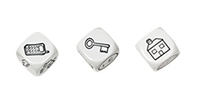
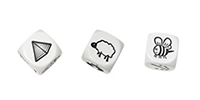
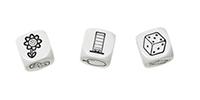
Кубики Рорі,  або Rory’s Story Cubes, у 2004 році вигадав ірландський тренер з креативного мислення і творчого вирішення проблем Рорі О’Коннор. А вже у 2011 вони стали лідером продажів на сайті Amazon.com у категорії «Ігри та іграшки». І хоча задумувалися кубики як інструмент пошуку нестандартних рішень для дорослих, згодом їх почали застосовувати і для навчальних ігор з дітьми.


Існує багато наборів по три кубики Рорі в кожному: «Звірі», «Медицина», «Космос», «Кам’яний вік», «Казки», «Порятунок», «Спорт», «Середньовіччя» та інші. А також серії з дев’яти кубиків: «Дії», «Подорожі», «Фантазія», універсальні. Розповідаємо, як гра може допомогти вчителям урізноманітнити свої методи викладання.
На уроках
Кубики можна застосовувати на уроках з будь-яких предметів. Помістіть їх у непрозорий мішечок чи капелюх. Кожна дитина витягує один кубик та обирає котресь із зображень на ньому для обговорення.
Запропонуйте учням використати малюнок та асоціації, які він викликає, для відповіді на запитання. Наприклад: «Яку книгу мені нагадує намальоване на кубику? Кого з вчених чи письменників? Яка історія життя цієї людини?», «Яку країну з тих, що ми вивчали на географії, нагадує малюнок? Де я хотів би побувати та чому?», «Якою я бачу школу майбутнього? Який предмет з тих, що в ній має бути, нагадує зображення?», «З якою темою з біології асоціюється кубик?», «Яку історичну подію нагадав малюнок?».
Який ефект?
Дитина відпрацьовує навички імпровізації та гнучкість мислення, коли поєднує обране зображення і свою відповідь. Окрім цього, індивідуальні відповіді допомагають дітям закріпити адекватну самооцінку. Адже учнів запитують, слухають та ставлять їм уточнювальні запитання. Також гра допомагає дітям подолати невпевненість у собі. Бо учні засвоюють матеріал через гру, у комфортний для них спосіб.
rory3
Під час класних годин
Кубики Рорі можуть стати в пригоді класним керівникам: під час класних годин чи після екскурсій, шкільних конкурсів та інших знакових для учнів подій.
Передайте кубики дітям і запропонуйте по черзі кожному обрати те зображення, яке буде його власною відповіддю на запитання: «Що мені найбільше запам’яталося з нашої екскурсії?», «Що сподобалося з виступу однокласників, які взяли участь у конкурсі чи святі?». Або просто: «Який у мене зараз настрій?».
Існує також варіант для колективного застосування кубиків. Для цього поділіть клас на групи по дев’ять учнів. Кожен отримає по одному кубику з набору. Попросіть когось з міні-груп кинути кубики на парту. Так вибудується дев’ять зображень, на перший погляд не поєднаних між собою. Запропонуйте дітям скласти кубики в певній послідовності так, щоб розповісти смішну чи страшну гостросюжетну історію. Про підготовку до контрольної, спільну поїздку в інше місто, події навчального семестру, що запам’яталися найбільше.
Який ефект?
Дуже важливо давати дітям можливість говорити про свої почуття. Не всі діти можуть цілком усвідомити запитання «Як ти почуваєшся?». А от про настрій чи власні враження говорити простіше. Коротенькі, навіть 20-секундні відповіді вчать дітей основам культури почуттів. Водночас це навчає учнів слухати інших, співпереживати та вибудовувати безоцінкове ставлення до емоцій інших людей. І, звичайно, вправа допомагає згуртувати клас.
rory2
Під час мозкового штурму
Мозковий штурм, або brainstorming, — це те, для чого і були створені кубики Рорі. Тож не варто нехтувати цією властивістю методики. Запропонуйте класу сісти в три кола, роздайте кожній групі по набору кубиків і поставте перед ними чітке завдання: вигадати номер чи сценарій для шкільного конкурсу, продумати відеоролик-презентацію класу.
Після того як діти переглянуть зображення на всіх сторонах кубика, можна почати обговорювати ідеї, пропонувати варіанти вирішення завдання. Також треба, щоб у кожній групі хтось одразу нотував ідеї, цінні зауваження та коментарі.
Який ефект?
У школах діти нечасто мають змогу освоїти такий формат співпраці, як дискусії в міні-групах, тому це буде цікавим експериментом. Такі ігри також дозволяють розвивати гнучкість та вміння домовлятися. Із кожною наступною спробою зростає впевненість дітей у власних сильних сторонах. За допомогою візуальних інструментів мозок починає шукати нестандартні рішення й тренується пристосовуватися до нових умов.
До того ж ті діти, які зазвичай не дуже активні на уроках і лише зрідка висловлюють свою думку, включаються в груповий процес, почуваються частиною колективу. Крім того, вони вчаться висловлювати принаймні найпростіші ідеї, адже головна вимога — кожному сказати мінімум по реченню.
rory1
Під час важливих розмов
Трапляється, що дітям немає з ким обговорити події, які відбуваються в країні чи місті. Але це не означає, що вони перестають їх цікавити, викликати тривогу чи здивування. Тож необхідно навчити дітей висловлюватися на актуальні теми.
Перемішайте всі наявні кубики в одному мішечку чи капелюсі та запропонуйте обговорити той, що є відповіддю на запитання: «Яка з останніх подій в Україні чи світі викликає у мене подив?».
Також методика допомагає у профорієнтації. Нехай кожен обере те зображення, яке відповідає на запитання «Що я вмію робити найкраще?».
Можна запропонувати обрати кубик, що асоціюється з одним зі слів: «кар’єра», «щастя», «освіта». Нехай діти пояснять, що вони вкладають у ці слова і чому саме цей кубик обрали.
Який ефект?
Завдяки таким іграм у дітей з’являється площина для дискусій. І не лише для тем, обмежених певними дисциплінами. Це дуже важливо, щоб виховати мислячих особистостей. Такі методики розвивають критичне мислення, допомагають краще зрозуміти себе та однокласників. Тому зближують дітей.